Technician · Topic T6 · 4 exam questions
Electronic and Electrical Components
The basic parts inside every radio, like resistors, capacitors, diodes, and transistors, and how to read them on a schematic.
Electronic components are the building blocks of every radio. This lesson covers the common parts you will meet, how to tell them apart on a circuit drawing, and what each one does. Knowing them helps you read manuals, build kits, and troubleshoot your station.
T6A · Resistors, capacitors, inductors, switches, batteries
Think of electricity like water in pipes. Voltage is the pressure, and current is how much water flows.
- A resistor opposes, or resists, the flow of current, like a narrow spot in a pipe.
- A potentiometer ("pot") is a resistor with a sliding contact you turn with a knob. It controls resistance, and it is the classic volume control.
- A capacitor stores energy in an electric field. It is made of two conductive surfaces (plates) separated by an insulator.
- An inductor stores energy in a magnetic field. It is usually built as a coil of wire.
| Part | Stores energy in | Built as |
|---|---|---|
| Capacitor | Electric field | Plates with an insulator between |
| Inductor | Magnetic field | Coil of wire |
| Resistor | Does not store; turns energy into heat | Resistive material |
Switches are described by poles and throws:
- Pole = how many separate circuits the switch controls.
- Throw = how many positions each circuit can connect to.
- SPST (single-pole single-throw) is a basic on/off switch, like a light switch.
- SPDT (single-pole double-throw) switches one circuit between one of two other circuits, like a railroad track switch.
- DPST and DPDT do the same thing for two circuits at once.
Batteries. Some can be recharged and some cannot.
| Rechargeable | Not rechargeable |
|---|---|
| Nickel-metal hydride (NiMH) | Carbon-zinc |
| Nickel-cadmium (NiCd) | (also ordinary alkaline) |
| Lithium-ion (Li-ion) | |
| Lead-acid (car batteries) |
T6B · Diodes, transistors, and gain
Semiconductors are materials like silicon that can be made to conduct in controlled ways.
A diode lets current flow in only one direction, like a one-way check valve. Its two leads are the anode and the cathode. On the package, the cathode is usually marked with a stripe.
When current flows forward through a diode, a small voltage is "used up." This is the forward voltage drop, and it is lower in some diode types than others (roughly 0.3 V for Schottky, 0.7 V for silicon, 2 V or more for an LED). It is normal, not a sign of a bad part.
A light-emitting diode (LED) glows when forward current flows through it.
A transistor is the key active part. It can act as an electronic switch or as an amplifier. Two main types:
| Type | Leads | Notes |
|---|---|---|
| Bipolar junction transistor (BJT) | Emitter, base, collector | Made of three regions of semiconductor (NPN or PNP) |
| Field-effect transistor (FET) | Gate, drain, source | Voltage on the gate (an electric field) controls the current |
Gain is how much bigger an amplifier's output is than its input. It can describe voltage, current, or power, so all three count. A transistor can provide power gain, using energy from the power supply. A transformer cannot: it can raise voltage, but only by lowering current, so the power stays the same or drops.
Watch out: a triode and pentode are vacuum tubes, not semiconductors. Varistors and thermistors are special resistors, not switches.
T6C · Reading schematics
A schematic is a circuit diagram drawn with standard symbols. It shows how components are connected but not wire lengths or what the parts look like.
Common symbols:
- Resistor: a zigzag line. Add an arrow and it becomes a variable resistor.
- Capacitor: two short parallel plates with a gap. An arrow through it means variable capacitor.
- Inductor: a coil or series of loops. An arrow means variable inductor.
- Transformer: two coils side by side, often with lines between them for the core.
- Diode: a triangle pointing at a bar. With arrows pointing outward, it is an LED.
- Transistor: a circle with a bar and leads, one lead with an arrow (the emitter).
- Battery: stacked long and short lines.
- Lamp: a rounded bulb shape.
- Antenna: an upside-down triangle or "Y" on a line.
- Ground: a set of short lines or slashes at the bottom of a wire.
The exam uses three figures:
Figure T-1 (a simple switching circuit): 1 = resistor, 2 = transistor, 3 = lamp, 4 = battery.
Figure T-2 (a simple power supply): 3 = SPST switch, 4 = transformer, 5 = diode (rectifier), 6 = capacitor, 7 = resistor, 8 = LED, 9 = variable resistor, 10 = Zener diode. Component 2 is a fuse.
Figure T-3 (an antenna tuner): 2 = variable capacitor, 3 = variable inductor, 4 = antenna.
T6D · What components do
- A rectifier changes AC into a varying DC. It is usually built from diodes.
- A transformer changes one AC voltage to another, such as 120 V AC down to a lower AC voltage.
- A regulator keeps the voltage from a power supply steady.
- A relay is an electrically controlled switch: a coil becomes a magnet and moves the contacts.
- A meter displays an electrical quantity as a number (or needle reading).
- An LED is the common visual indicator, like a power-on light.
- An integrated circuit (IC) combines many semiconductors and other parts into one package.
- Shielded wire has a metal braid or foil around it to prevent unwanted signals from getting into or out of the wire.
In Figure T-1, the transistor (component 2) controls the flow of current through the lamp, acting as a switch.
Resonant circuits. An inductor and a capacitor, connected in series or in parallel, form a resonant or tuned circuit. Energy swings back and forth between them at one natural frequency, like a playground swing that moves best at one rhythm. This is how radios tune to a single frequency.
Quick review
- Resistor opposes current; a potentiometer is a variable resistor used as a volume control.
- Capacitor = electric field, plates with an insulator. Inductor = magnetic field, coil of wire.
- SPDT switches one circuit between two others; SPST is simple on/off.
- Carbon-zinc batteries are not rechargeable; NiMH, NiCd, Li-ion, and lead-acid are.
- Diode = one-way valve, anode and cathode, stripe marks the cathode; LEDs glow with forward current.
- BJT leads: emitter, base, collector. FET leads: gate, drain, source.
- Transistors can switch and give power gain; gain can mean voltage, current, or power.
- Schematics show connections only, not wire length or looks.
- Rectifier makes AC into DC; transformer changes AC voltage; regulator holds voltage steady; relay is an electric switch.
- Inductor plus capacitor makes a tuned (resonant) circuit.
Ready to check yourself?
Drill all 46 questions from T6. You'll see the answer and explanation after each one.
Every question in T6
Tap a question to see the answer and why.
T6A · 11 questions
Fixed and variable resistors; Capacitors; Inductors; Fuses; Switches; Batteries
T6A01What electrical component opposes the flow of current in a DC circuit?
- AInductor
- BResistor (correct answer)
- CInverter
- DTransformer
A resistor is a part made to resist, or hold back, the flow of electric current. Think of it like a narrow spot in a water pipe that limits how much water can get through. An inductor mostly fights changes in current, not steady DC, and a transformer does not work on steady DC at all. Memory tip: Resistor resists.
T6A02What type of component is often used as an adjustable volume control?
- AFixed resistor
- BPower resistor
- CPotentiometer (correct answer)
- DTransformer
A potentiometer, or "pot," is a resistor with a sliding contact you can move by turning a knob. Turning the knob changes how much signal gets through, which is exactly what a volume control does. A fixed resistor cannot be adjusted, so it cannot serve as a volume knob. Memory tip: The volume knob on an old radio is a pot.
T6A03What electrical parameter is controlled by a potentiometer?
- AInductance
- BResistance (correct answer)
- CCapacitance
- DField strength
A potentiometer is a variable resistor. Turning its shaft moves a wiper along a strip of resistive material, so the resistance between the wiper and each end goes up or down. It does not change inductance or capacitance. Memory tip: A pot is just a resistor with a knob, so it controls resistance.
T6A04What electrical component stores energy in an electric field?
- AResistor
- BCapacitor (correct answer)
- CInductor
- DDiode
A capacitor stores energy in an electric field between two metal plates. When it charges, one plate gets extra electrons and the other loses some, and the field between them holds the energy, a bit like a stretched rubber band. An inductor stores energy in a magnetic field instead. Memory tip: Capacitor and electric field both have a "c" sound: Capacitor = eleCtric.
T6A05What type of electrical component consists of conductive surfaces separated by an insulator?
- AResistor
- BPotentiometer
- COscillator
- DCapacitor (correct answer)
A capacitor is built from two conductive surfaces, like metal plates or foil, separated by an insulator called a dielectric. The insulator keeps current from flowing straight through, so charge builds up on the plates instead. A resistor or potentiometer is made from resistive material, not separated plates. Memory tip: Two plates with a gap = capacitor.
T6A06What type of electrical component stores energy in a magnetic field?
- AResistor
- BCapacitor
- CInductor (correct answer)
- DDiode
An inductor stores energy in a magnetic field that forms around its coil when current flows. If the current tries to change, that stored energy pushes back, like a heavy flywheel that resists speeding up or slowing down. A capacitor stores energy in an electric field instead. Memory tip: Inductor = magnetic, capacitor = electric.
T6A07What electrical component is typically constructed as a coil of wire?
- ATransistor
- BCapacitor
- CDiode
- DInductor (correct answer)
An inductor is usually a coil of wire, sometimes wound around an iron or ferrite core. Coiling the wire concentrates the magnetic field, which is how the inductor stores energy. Capacitors are plates, diodes and transistors are chips of semiconductor. Memory tip: Coil = inductor. The schematic symbol even looks like a spring of wire.
T6A08What is the function of an SPDT switch?
- AA single circuit is opened or closed
- BTwo circuits are opened or closed
- CA single circuit is switched between one of two other circuits (correct answer)
- DTwo circuits are each switched between one of two other circuits
SPDT stands for single-pole double-throw. "Single pole" means it controls one circuit, and "double throw" means that circuit can be connected to either of two other paths. It works like a railroad switch sending one track to one of two destinations. An SPST switch only opens or closes one circuit. Memory tip: Poles = how many circuits; throws = how many choices each has.
T6A09What type of switch is represented by component 3 in figure T-2?
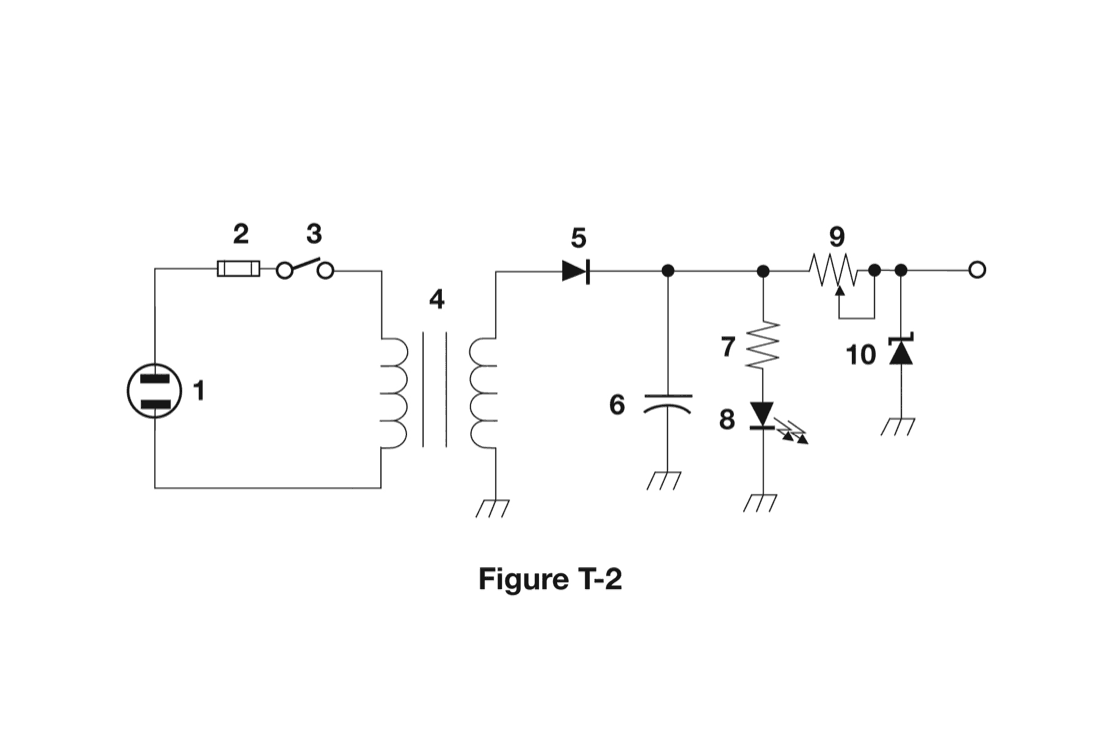
Figure T-2 · tap to enlarge - ASingle-pole single-throw (correct answer)
- BSingle-pole double-throw
- CDouble-pole single-throw
- DDouble-pole double-throw
In Figure T-2, component 3 is a simple on/off switch with one moving arm and one contact. That makes it single-pole (one circuit) and single-throw (only one position that connects). It just opens or closes the power line, like a basic light switch. Memory tip: One arm, one contact = SPST, the plain light switch.
T6A10Which of the following battery chemistries is rechargeable?
- ANickel-metal hydride
- BLithium-ion
- CLead-acid
- DAll these choices are correct (correct answer)
Nickel-metal hydride (NiMH), lithium-ion, and lead-acid batteries can all be recharged many times. NiMH is common in AA packs, lithium-ion powers phones and handheld radios, and lead-acid is the car battery type often used for emergency station power. Since all three are rechargeable, the answer is all of them. Memory tip: NiMH, Li-ion, lead-acid: all go back on the charger.
T6A11Which of the following battery chemistries is not rechargeable?
- ANickel-cadmium
- BCarbon-zinc (correct answer)
- CLead-acid
- DLithium-ion
Carbon-zinc batteries are cheap, single-use "primary" cells. Trying to recharge them does not work and can make them leak or burst. Nickel-cadmium, lead-acid, and lithium-ion are all designed to be recharged. Memory tip: Carbon-zinc is the cheap flashlight battery you throw away.
T6B · 12 questions
Semiconductors: basic principles and applications of solid-state devices, diodes and transistors; Gain
T6B01Which is true about forward voltage drop in a diode?
- AIt is lower in some diode types than in others (correct answer)
- BIt is proportional to peak inverse voltage
- CIt indicates that the diode is defective
- DIt has no impact on the voltage delivered to the load
Every diode "uses up" a small voltage when current flows forward through it, called the forward voltage drop. How big that drop is depends on the diode type: a Schottky diode drops about 0.2 to 0.4 V, a silicon diode about 0.6 to 0.7 V, and an LED often 2 V or more. The drop is normal and does reduce the voltage reaching the load. Memory tip: Different diodes, different drops.
T6B02What electronic component allows current to flow in only one direction?
- AResistor
- BFuse
- CDiode (correct answer)
- DDriven element
A diode acts like a one-way valve for electricity. Current can flow from the anode to the cathode, but it is blocked going the other way, much like a check valve in a water pipe. A resistor or fuse lets current pass either way. Memory tip: Diode = one-way street.
T6B03Which of these components can be used as an electronic switch?
- AVaristor
- BPotentiometer
- CTransistor (correct answer)
- DThermistor
A transistor can turn a large current on or off using a small control signal, so it works as an electronic switch with no moving parts. Varistors, potentiometers, and thermistors are all types of resistors that change value but cannot be switched on and off by a separate signal. Memory tip: Transistors are the tiny switches inside every computer.
T6B04Which of the following components can consist of three regions of semiconductor material?
- AAlternator
- BTransistor (correct answer)
- CTriode
- DPentode
A bipolar transistor is built from three layers, or regions, of semiconductor material, such as N-P-N or P-N-P. Those three regions become the emitter, base, and collector. A triode and a pentode are vacuum tubes, not semiconductors, and an alternator is a generator. Memory tip: "Tri" might tempt you, but the triode is a tube; the transistor has the three semiconductor layers.
T6B05What type of transistor has a gate, drain, and source?
- AVaristor
- BField-effect (correct answer)
- CHall-effect
- DBipolar junction
A field-effect transistor (FET) has three leads called the gate, drain, and source. The voltage on the gate controls current flowing from source to drain, like a hand on a garden hose valve. A bipolar junction transistor instead uses emitter, base, and collector. Memory tip: FET = Gate, Drain, Source; think of water entering at the source and leaving at the drain.
T6B06How is the cathode lead of a semiconductor diode often marked on the package?
- AWith the word "cathode"
- BWith a stripe (correct answer)
- CWith the letter C
- DWith the letter K
Most diodes have a painted band or stripe around one end, and that end is the cathode. This matches the schematic symbol, where the cathode side has a straight line across the arrow tip. Current flows into the anode and out of the cathode. Memory tip: The stripe on the part matches the bar on the symbol.
T6B07What causes a light-emitting diode (LED) to emit light?
- AForward current (correct answer)
- BReverse current
- CCapacitively-coupled RF signal
- DInductively-coupled RF signal
An LED lights up when current flows through it in the forward direction, from anode to cathode. Inside, electrons drop to a lower energy level and give off that energy as light. Reverse current is blocked, so the LED stays dark if it is wired backward. Memory tip: Forward to glow; backward stays dark.
T6B08What does the abbreviation FET stand for?
- AFrequency Emission Transmitter
- BFast Electron Transistor
- CFree Electron Transmitter
- DField Effect Transistor (correct answer)
FET stands for Field Effect Transistor. It gets its name because an electric field, created by the voltage on the gate, controls how much current can flow through the device. The other choices are made-up phrases. Memory tip: An electric FIELD controls the FET.
T6B09What are the names for the electrodes of a diode?
- APlus and minus
- BSource and drain
- CAnode and cathode (correct answer)
- DGate and base
The two leads of a diode are called the anode and the cathode. Conventional current flows into the anode and out of the cathode when the diode is forward biased. Source and drain belong to FETs, and gate and base are transistor terms. Memory tip: A comes before C, and current goes from A (anode) to C (cathode).
T6B10Which of the following can provide power gain?
- ATransformer
- BTransistor (correct answer)
- CReactor
- DResistor
A transistor can provide power gain, meaning a small input signal controls a much bigger output signal, with the extra energy coming from the power supply. A transformer can raise voltage, but it lowers current at the same time, so it never adds power. Resistors and reactors only use up or store energy. Memory tip: Only the active part, the transistor, can make a signal bigger in power.
T6B11What does the term gain mean in amplifiers?
- AThe output signal voltage relative to the input signal voltage
- BThe output signal current relative to the input signal current
- CThe output signal power relative to the input signal power
- DAll these choices are correct (correct answer)
Gain means how much bigger the output signal is than the input signal. That can be measured as voltage gain, current gain, or power gain, depending on what you care about. Since all three are valid ways to describe gain, all the choices are correct. Memory tip: Gain = output compared to input, whether volts, amps, or watts.
T6B12What are the names of the electrodes of a bipolar junction transistor?
- ASignal, bias, power
- BEmitter, base, collector (correct answer)
- CInput, output, supply
- DPole one, pole two, output
A bipolar junction transistor (BJT) has three leads named the emitter, base, and collector. A small current into the base controls a larger current between the collector and the emitter. Gate, drain, and source are the names for FET leads instead. Memory tip: "E-B-C": Every Bipolar Counts, or think of the emitter emitting and the collector collecting.
T6C · 12 questions
Circuit diagrams: use of schematics, basic structure; Schematic symbols of basic components
T6C01What is an electrical diagram using standard component symbols called?
- AConnection chart
- BInstrumentation system
- CSchematic (correct answer)
- DFlow chart
A schematic is a drawing of a circuit that uses standard symbols for each part, with lines showing how they are wired together. Anyone who knows the symbols can read it, much like a road map uses standard signs. A flow chart shows steps in a process, not wiring. Memory tip: Schematic = the circuit's symbol map.
T6C02What is component 1 in figure T-1?
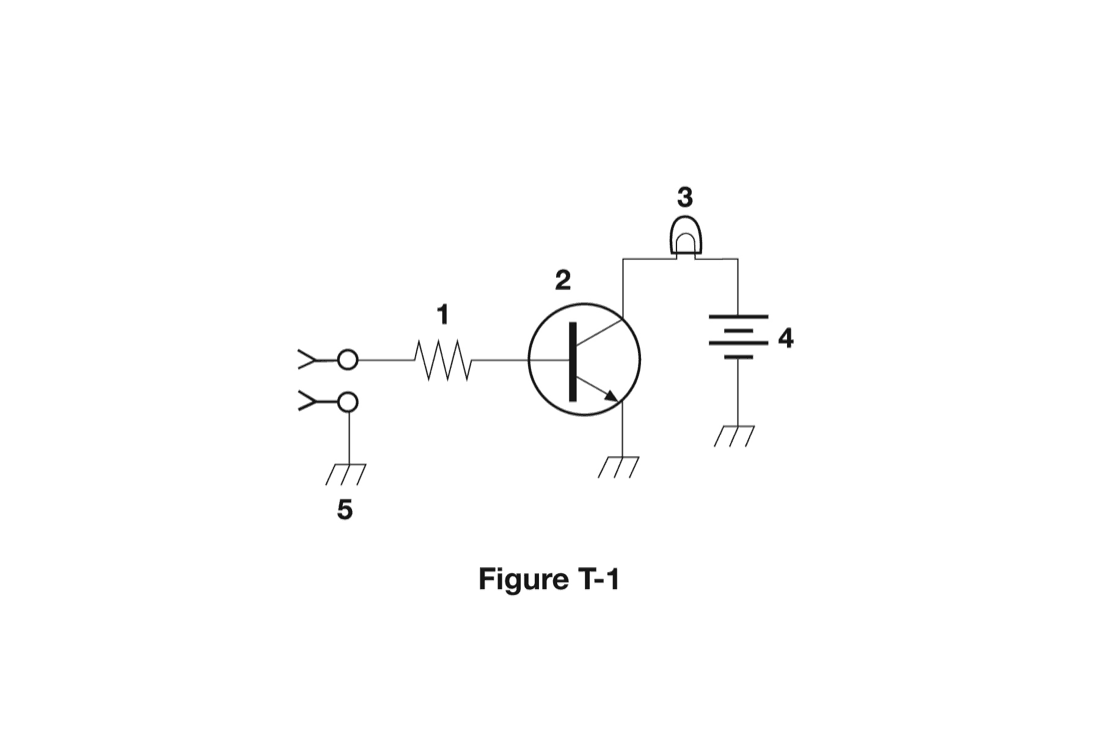
Figure T-1 · tap to enlarge - AResistor (correct answer)
- BTransistor
- CBattery
- DConnector
Component 1 in Figure T-1 is drawn as a zigzag line, which is the standard symbol for a resistor. The zigzag hints at the bumpy path current must take. Here it limits the current going into the transistor's base. Memory tip: Zigzag = resistor.
T6C03What is component 2 in figure T-1?
Figure T-1 · tap to enlarge - AResistor
- BTransistor (correct answer)
- CIndicator lamp
- DConnector
Component 2 in Figure T-1 is a circle with a thick bar inside, one line coming into the bar, and two angled lines, one with an arrow. That is the symbol for a bipolar transistor, with base, collector, and emitter leads. The arrow marks the emitter. Memory tip: Circle with an arrow on one leg = transistor.
T6C04What is component 3 in figure T-1?
Figure T-1 · tap to enlarge - AResistor
- BTransistor
- CLamp (correct answer)
- DGround symbol
Component 3 in Figure T-1 is a small rounded bulb shape with a loop inside, which is the symbol for an incandescent lamp. In this circuit, the transistor switches current through the lamp so it turns on and off. Memory tip: The rounded shape looks like a light bulb because it is one.
T6C05What is component 4 in figure T-1?
Figure T-1 · tap to enlarge - AResistor
- BTransistor
- CGround symbol
- DBattery (correct answer)
Component 4 in Figure T-1 is drawn as stacked pairs of long and short lines, the symbol for a battery. Each long line is a positive plate and each short line a negative plate. The battery supplies the energy to light the lamp. Memory tip: Long-short, long-short lines = battery cells stacked up.
T6C06What is component 6 in figure T-2?
Figure T-2 · tap to enlarge - AResistor
- BCapacitor (correct answer)
- CRegulator IC
- DTransistor
Component 6 in Figure T-2 is two short parallel lines with a gap between them, one of them curved. That is the symbol for a capacitor, showing two plates separated by an insulator. In this power supply it smooths out the bumpy DC from the diode. Memory tip: Two plates with a gap = capacitor.
T6C07What is component 8 in figure T-2?
Figure T-2 · tap to enlarge - AResistor
- BInductor
- CRegulator IC
- DLight emitting diode (correct answer)
Component 8 in Figure T-2 is a diode symbol (a triangle pointing at a bar) with two small arrows pointing away from it. The outward arrows show light leaving the part, so it is a light-emitting diode, or LED. Here it acts as a "power on" indicator. Memory tip: Diode plus arrows going out = LED.
T6C08What is component 9 in figure T-2?
Figure T-2 · tap to enlarge - AVariable capacitor
- BVariable inductor
- CVariable resistor (correct answer)
- DVariable transformer
Component 9 in Figure T-2 is a zigzag resistor symbol with an arrow touching it. The arrow means the resistance can be adjusted, so this is a variable resistor. It is not a capacitor or inductor, because those use plates or coils. Memory tip: Zigzag plus arrow = variable resistor.
T6C09What is component 4 in figure T-2?
Figure T-2 · tap to enlarge - AVariable inductor
- BDouble-pole switch
- CPotentiometer
- DTransformer (correct answer)
Component 4 in Figure T-2 shows two coils side by side with lines between them, the symbol for a transformer. The coils share a magnetic field, so AC on one coil makes AC on the other, here stepping wall voltage down. A single coil with an arrow would be a variable inductor. Memory tip: Two coils facing each other = transformer.
T6C10What is component 3 in figure T-3?
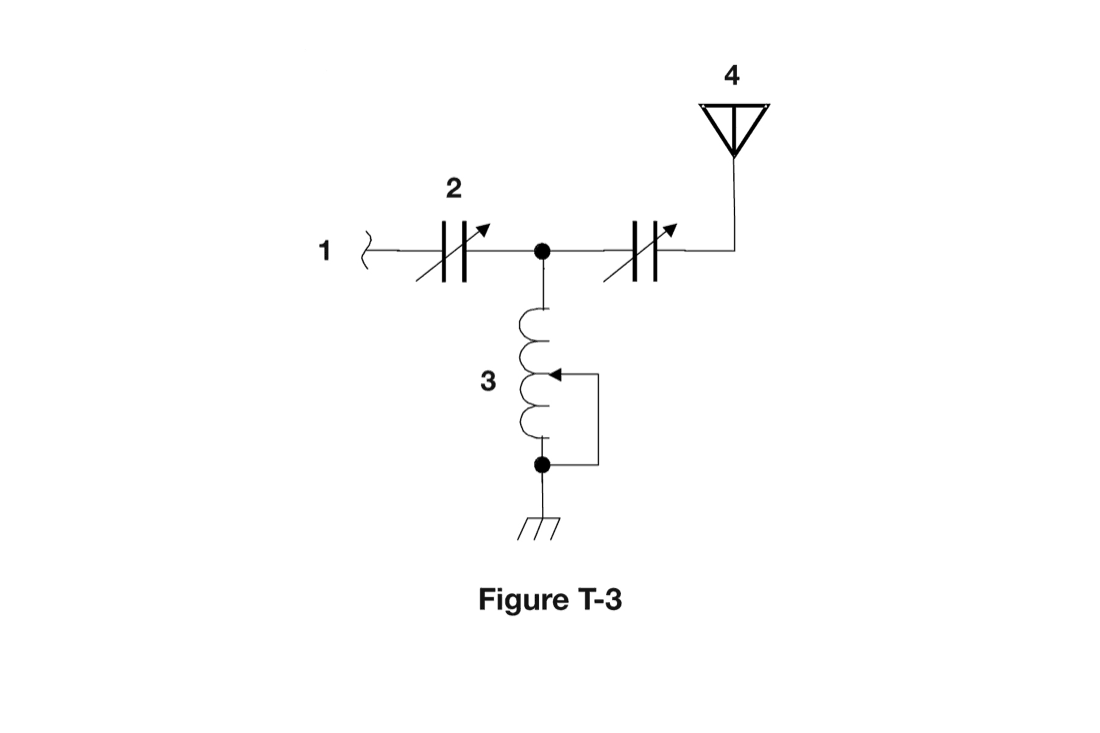
Figure T-3 · tap to enlarge - AConnector
- BMeter
- CVariable capacitor
- DVariable inductor (correct answer)
Component 3 in Figure T-3 is a coil symbol with an arrow tapping along its side. A coil is an inductor, and the arrow means it can be adjusted, so this is a variable inductor. Component 2, with plates and a slanted arrow, is the variable capacitor. Memory tip: Coil plus arrow = variable inductor.
T6C11What is component 4 in figure T-3?
Figure T-3 · tap to enlarge - AAntenna (correct answer)
- BTransmitter
- CDummy load
- DGround
Component 4 in Figure T-3 is an upside-down triangle on a line, sitting at the end of the circuit. That is the standard symbol for an antenna. The ground symbol looks different: a set of short lines or slashes at the bottom. Memory tip: The antenna symbol looks like a little funnel catching radio waves.
T6C12Which of the following is accurately represented in electrical schematics?
- AWire lengths
- BPhysical appearance of components
- CComponent connections (correct answer)
- DAll these choices are correct
A schematic shows how components are connected to each other, and that is all. It does not show how long the wires are or what the parts really look like or where they sit on a board. Two parts drawn close together might be far apart in real life. Memory tip: Schematics show connections, not looks.
T6D · 11 questions
Component functions: rectifiers, relays, voltage regulators, meters, indicators, integrated circuits, transformers; Resonant circuit; Shielding
T6D01Which of the following devices or circuits changes an alternating current into a varying direct current signal?
- ATransformer
- BRectifier (correct answer)
- CAmplifier
- DReflector
A rectifier, usually made of diodes, changes alternating current (AC) into direct current (DC). Because the diodes let current flow only one way, the output is a bumpy, varying DC that later gets smoothed by a capacitor. A transformer only changes AC voltage; it does not make DC. Memory tip: Rectify means "make right"; the rectifier makes AC flow one way.
T6D02What is a relay?
- AAn electrically-controlled switch (correct answer)
- BA current-controlled amplifier
- CAn inverting amplifier
- DA pass transistor
A relay is a switch that is flipped by electricity instead of a finger. A small current through a coil makes a magnet that pulls the switch contacts open or closed. This lets a small signal control a big current, like an antenna switch or amplifier. Memory tip: Relay = electrically controlled switch.
T6D03Which of the following is a reason to use shielded wire?
- ATo decrease the resistance of DC power connections
- BTo increase the current carrying capability of the wire
- CTo prevent coupling of unwanted signals to or from the wire (correct answer)
- DTo reduce receiver overload
Shielded wire has a metal braid or foil around the inner wire. The shield keeps outside signals from leaking into the wire and keeps signals inside from leaking out. That helps stop hum, noise, and interference. Shielding does not lower resistance or let the wire carry more current. Memory tip: The shield is armor that keeps unwanted signals in or out.
T6D04Which of the following displays an electrical quantity as a numeric value?
- APotentiometer
- BTransistor
- CMeter (correct answer)
- DRelay
A meter measures an electrical quantity, such as volts, amps, or ohms, and shows it as a number or needle reading. A digital multimeter is a common example. Potentiometers, transistors, and relays are parts that control things, not display them. Memory tip: Meter = measure and show.
T6D05What type of circuit controls the amount of voltage from a power supply?
- ARegulator (correct answer)
- BOscillator
- CFilter
- DPhase inverter
A regulator circuit holds a power supply's output voltage steady, even when the input voltage or the load changes. It works like a pressure regulator on a water line, keeping output pressure constant. An oscillator makes a signal and a filter removes certain frequencies. Memory tip: Regulator regulates voltage.
T6D06What component changes 120 V AC power to a lower AC voltage for other uses?
- AVariable capacitor
- BTransformer (correct answer)
- CTransistor
- DDiode
A transformer uses two coils of wire sharing a magnetic field to change one AC voltage into another. With fewer turns on the output coil, 120 V AC from the wall becomes a lower AC voltage, like 12 V. Transformers only work with AC. Memory tip: Transformers transform AC voltage up or down.
T6D07Which of the following is commonly used as a visual indicator?
- ALED (correct answer)
- BFET
- CZener diode
- DAll these choices are correct
LEDs (light-emitting diodes) are widely used as visual indicators, like power lights or "transmit" lights on a radio. They are cheap, bright, last a long time, and use little power. A FET and a Zener diode do not give off light. Memory tip: If it glows to tell you something, it is probably an LED.
T6D08Which of the following is combined with an inductor to make a resonant circuit?
- AResistor
- BZener diode
- CPotentiometer
- DCapacitor (correct answer)
An inductor and a capacitor together make a resonant, or tuned, circuit. Energy sloshes back and forth between the capacitor's electric field and the inductor's magnetic field at one natural frequency, like a playground swing that moves best at one rhythm. That is how radios tune to a station. Memory tip: L plus C = tuned circuit.
T6D09What is the name of a device that combines several semiconductors and other components into one package?
- ATransducer
- BMulti-pole relay
- CIntegrated circuit (correct answer)
- DTransformer
An integrated circuit (IC) packs many transistors, diodes, resistors, and other parts onto one small chip inside a single package. A voltage regulator chip or a computer processor are examples. A transducer converts energy from one form to another, like a microphone. Memory tip: Integrated = many parts combined into one chip.
T6D10What is the function of component 2 in figure T-1?
Figure T-1 · tap to enlarge - AGive off light when current flows through it
- BSupply electrical energy
- CControl the flow of current (correct answer)
- DConvert electrical energy into radio waves
Component 2 in Figure T-1 is a transistor. A small current into its base, coming through resistor 1, controls a larger current flowing through the lamp and battery. So its job is to control the flow of current, acting as a switch for the lamp. The lamp gives off light and the battery supplies energy. Memory tip: The transistor is the gatekeeper for current.
T6D11Which of the following is a resonant or tuned circuit?
- AAn inductor and a capacitor in series or parallel (correct answer)
- BA linear voltage regulator
- CA resistor circuit used for reducing standing wave ratio
- DA circuit designed to provide high-fidelity audio
A resonant or tuned circuit is an inductor and a capacitor connected together, either in series or in parallel. The pair favors one frequency, which lets a radio pick out the signal you want. A voltage regulator or audio circuit is not a tuned circuit. Memory tip: Tuned circuit = L and C, side by side or end to end.